MACKENZIE PECK: How to make a porn mag and build a community
Interview: Lila Theodoros
In 2015, the pleasure-in-media landscape was bleak. The majority of depictions of sexuality were narrow-minded, the “orgasm gap” hadn’t yet become a hot topic of conversation, representations of gender, body types and race were limited and reliable information on sexual health felt scarce. During this time, and following a summer of sexual revelations, Mackenzie Peck was facing their own growing frustration at the lack of inclusion and conversation – so she made Math Magazine, a porn magazine that elevated diverse expressions of pleasure.
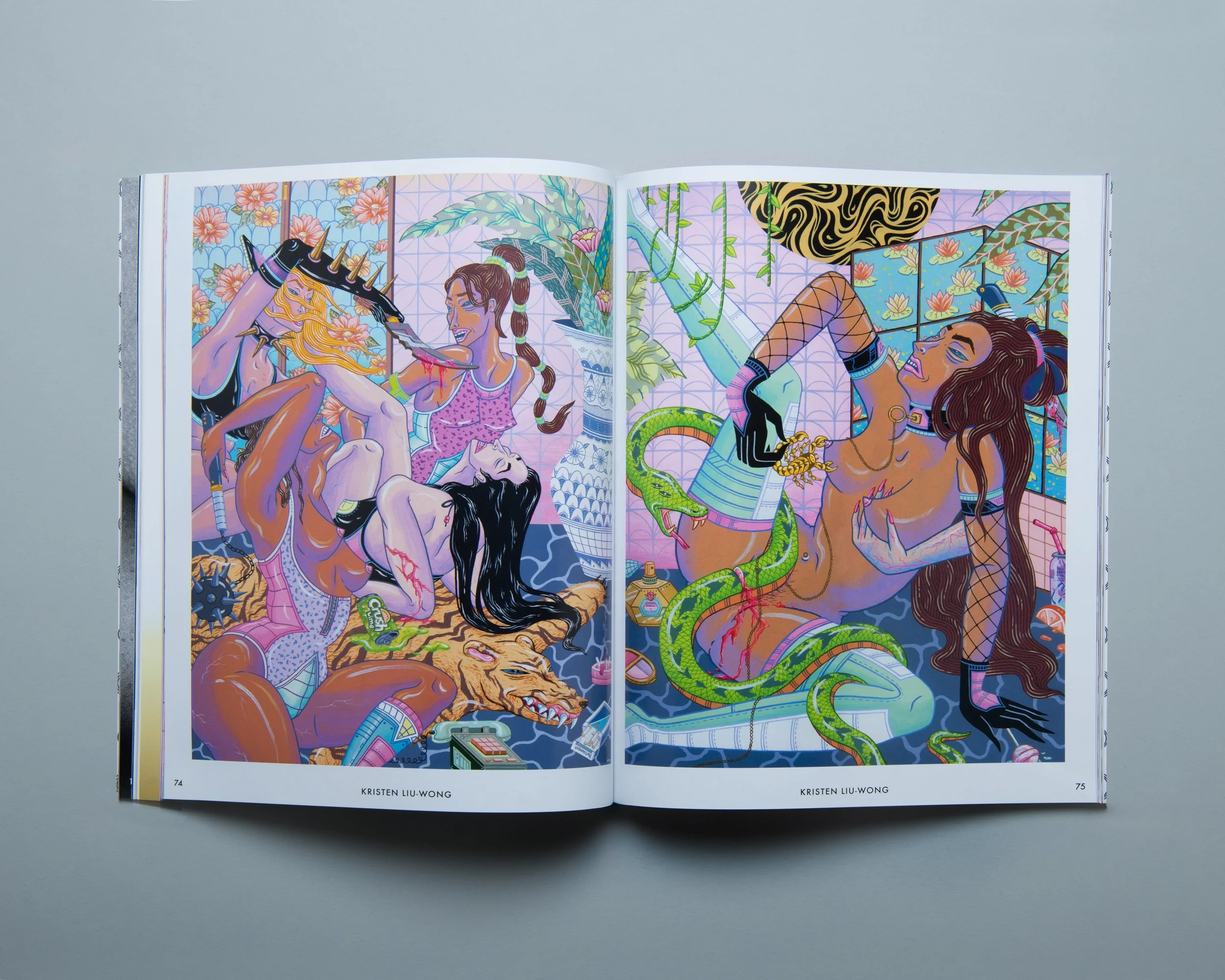
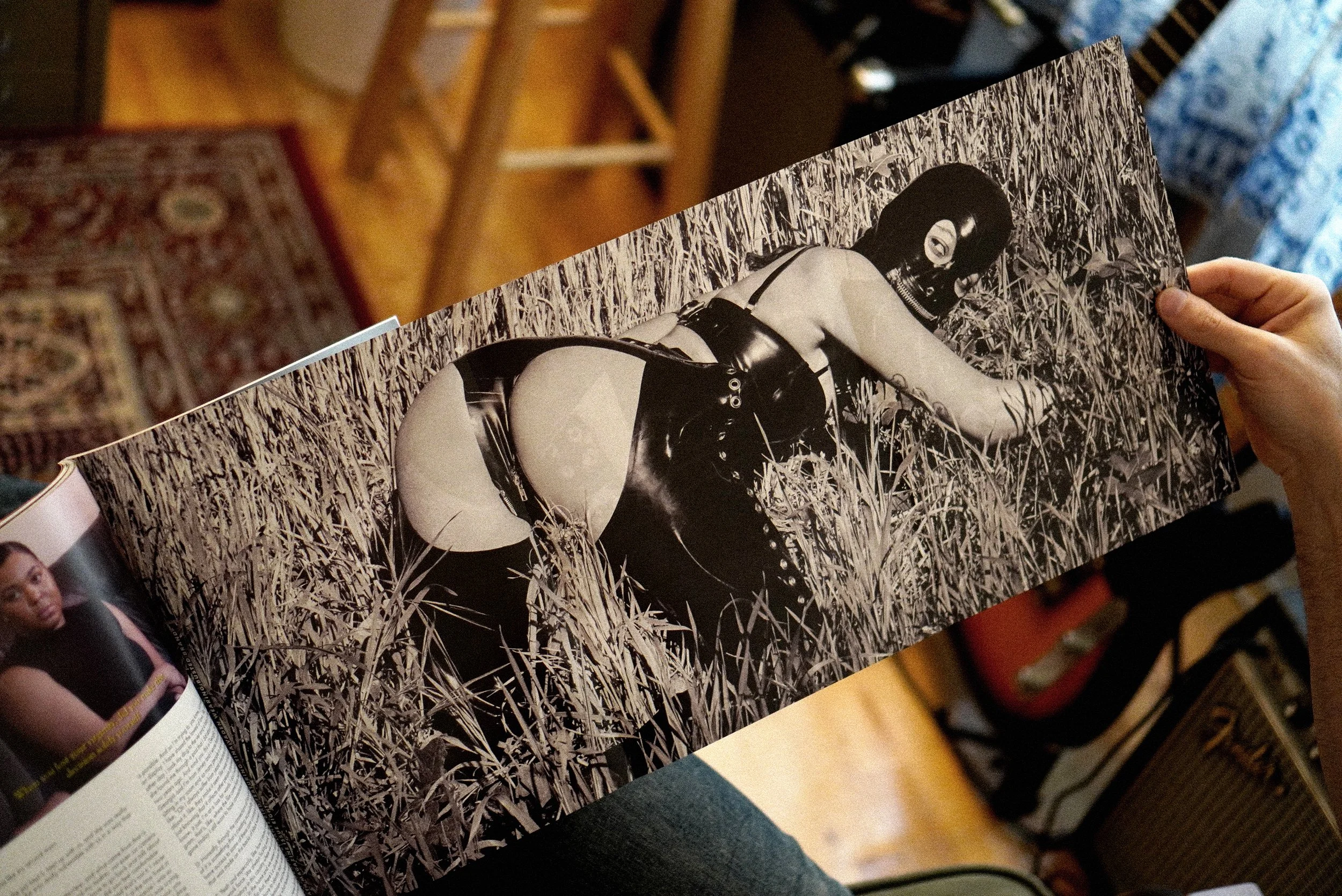
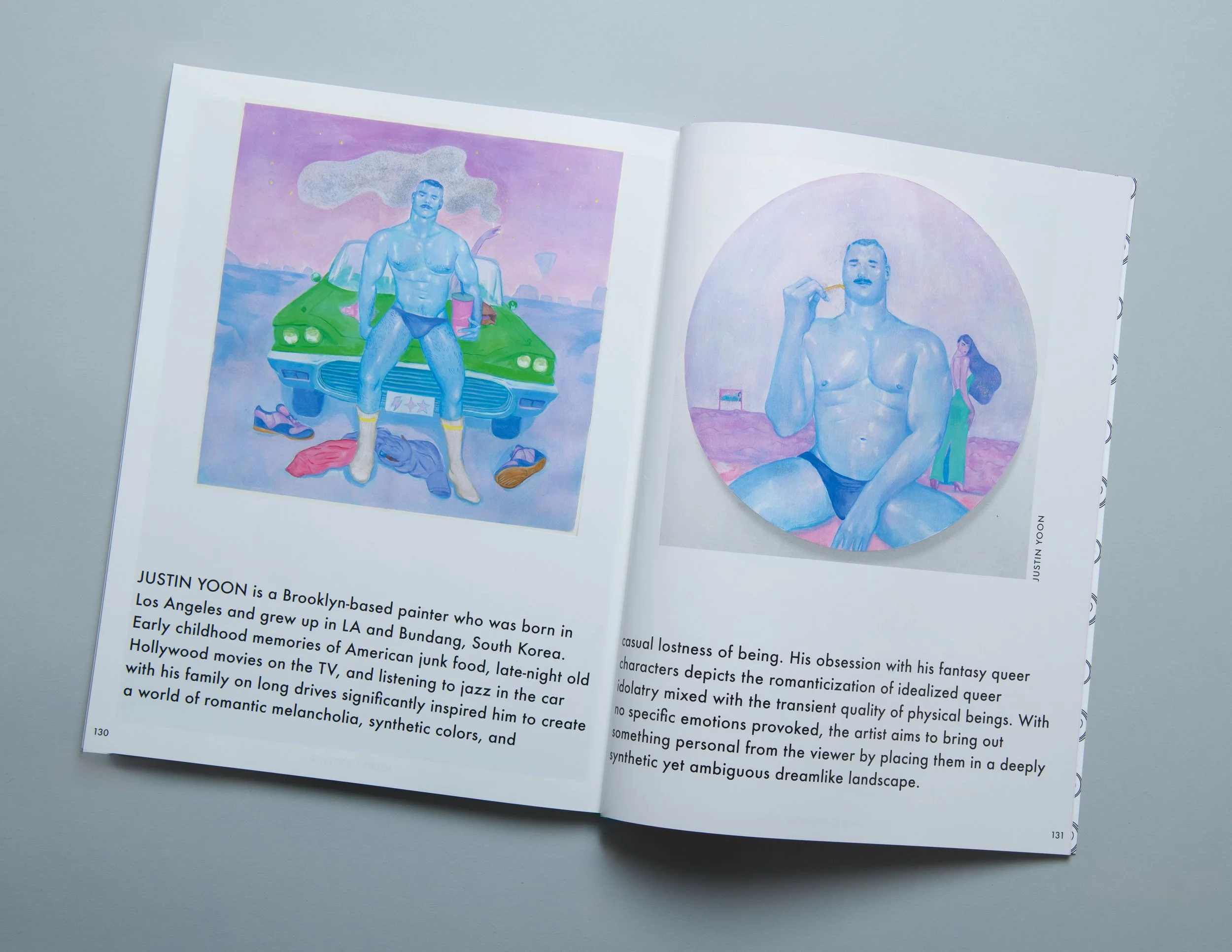
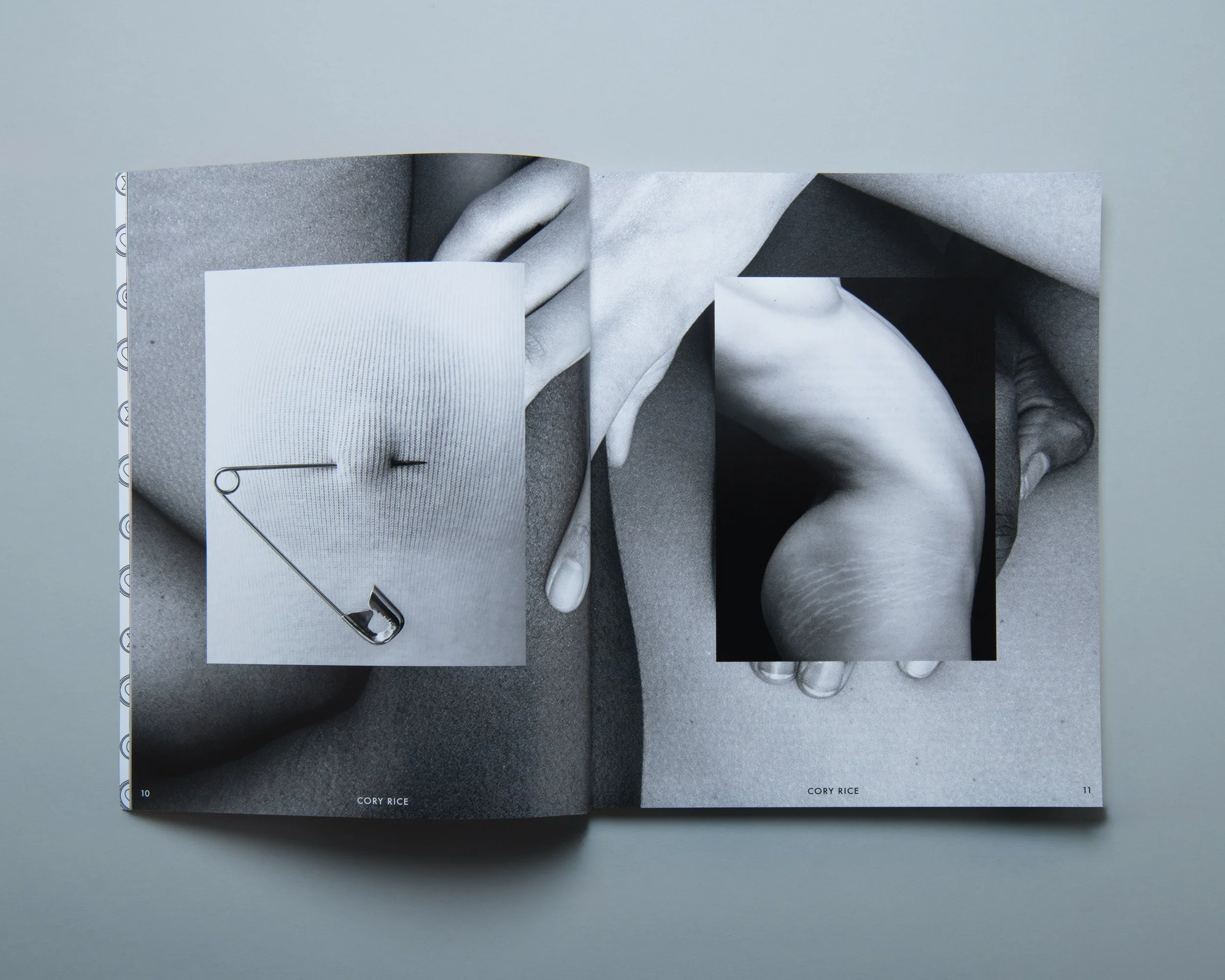
Collaborating with contributors from all over the world, the publication featured paintings, photography, sculpture, collage, poetry, essays, scientific research, journalism, and fiction and nonfiction – an erotic convergence of creativity and sex.
Math Magazine is a lesson in “if you build it, they will cum”. Mackenzie Peck couldn’t find their people so she made a magazine and a community grew around it, reaching thousands of people worldwide, inspiring creativity, life changes, relationships, dissertations, careers and even new publications (Moi included), until its very last issue in 2022.
When you started Math Magazine, the pleasure landscape that we know today was still in its infancy. Change was coming, but the vast majority of offerings were still rooted in heterosexual male desire and depiction. Why did you start a porn magazine?
One summer, I had a series of experiences that completely changed my understanding of what sex could be. I turned to media to find reflections of these ideas and I sought out a community where I could connect with others who shared them. I was disappointed by what I found. The depictions of sexuality available to me were narrow and exclusionary, and the niche groups I discovered felt difficult to join – sometimes outright unwelcoming. Even though my perspective had expanded, I couldn’t see where I belonged.
The more I thought about it, the clearer it became: the vast range of sexual experiences across different bodies, orientations and identities, were largely missing from media representation. I felt an urgency to create something that could bridge that gap, something that could bring people together around sex. For me, publishing was the natural medium. I grew up loving print media and attended art school, so creating a magazine was an obvious choice.
With no experience in business or publishing, I started Math Magazine. I only had enough money to print 50 copies of Issue Zero.
Would you call Math Magazine a ‘porn magazine’ or something else entirely?
From the beginning, I called it a porn magazine because I wanted to directly engage with the erotic and my goal was to primarily publish desire-inducing material. I wanted to depict graphic sex and resist the tendency to abstract or sanitize. Through pleasure – its expression, its depiction and its power to arouse – I could introduce under-represented ideas and affirm ways of being that are authentic yet weren’t widely acknowledged or accepted.
At its core, Math Magazine was about validating the full spectrum of human sexuality. I loved the idea of using the authority of print to elevate diverse expressions of pleasure, turning representation into an act of affirmation and inclusion.
What themes and content did you feature in Math Magazine?
I spent a lot of time thinking about how to represent those who had been underrepresented or excluded. If you’ve only ever seen negative depictions of something you find pleasurable – or if you’ve never seen anyone who looks like you enjoying sex – how could you feel comfortable literally exposing yourself? I felt an intense need to protect collaborators, regardless of whether we published our project or not.
I took a two-pronged approach. First, prove that everyone is welcome. And second, seek out people eager to share.
One of our most important guiding principles was, “If you want your photo taken, then you are a model.” It was our way of saying “you belong here, your experience matters, we see you and want to celebrate you”. Collaboration was essential – an environment of trust and safety is always essential in order to create compelling, authentic content.
“When we embrace pleasure on our own terms, we not only expand our capacity for joy but also challenge the cultural norms that limit us.”
Who were your contributors?
Contributors came from all over the world and spanned the full spectrum of creative disciplines. Some were established blue-chip artists, others were total outsiders who didn’t even consider themselves artists at all. Math Magazine featured paintings, photography, sculpture, collage, poetry, essays, scientific research, journalism, fiction and nonfiction. If I could print it, it had a place in the magazine. If I couldn’t, we found other ways – through digital publications, podcasts, video series and social media.
What was the media landscape like when you launched?
I launched Math Magazine in 2015, when Vine was still around and Instagram had just introduced ads. Social media algorithms were shifting away from chronological feeds and “mobile-first” content was the hot new thing, if you can imagine. At the time, Instagram was an incredible tool for discovering artists. I was reaching out to people who were posting sex-positive work, and to my surprise, they responded!
Our following was miniscule, but I shared my vision for the publication and artists were receptive. This was before the full force of censorship took hold – people were hungry for alternative voices in sexual media. Thinking back to 2015 Instagram, I remember it feeling smaller, less ambitious and with a greater diversity of content – but maybe I’m being sentimental.
Beyond social media, the majority of depictions of sexuality were narrow-minded. There was limited discussion of issues like the orgasm gap or the need for more diverse representations of gender, body types and race. Reliable information on sexual health felt scarce.
Indie publishing was also thriving at this time and I was lucky to be the co-founder of a group called the Mag Mob, a collective of independent publishers – many of us female, femme, or queer – who shared resources, hosted events and supported each other. Members included Taylor Yates of Selfish, Mindy Abovitz of Tom Tom, Meg Wachter of Girl Crush and Kristen Felicetti of The Bushwick Review.
Who were your ‘peers’ when you first published?
I was proud to be part of a wave of sex-positive entrepreneurs in Brooklyn from 2016 to 2020. Some of my peers included Polly Rodriguez and Sarah Jayne Kinney of Unbound Babes, Alex Fine and Janet Lieberman of Dame Products and Cindy Gallop of Make Love Not Porn. Many of whom were also members of the Women of Sex Tech, an incredible network of passionate people making meaningful change in the world of sexuality and pleasure.
What was the reaction when you entered that publishing space?
Math Magazine was welcomed by the independent publishing community. The warm embrace of press coverage from several podcasts, blogs and magazines including the Paper Cuts podcast, Huck magazine, MagCulture and Stack Magazines. All of which helped me feel deeply validated and encouraged.
Later on, I was lucky to gain coverage with larger outlets, including Allure, NBC News, Cosmo, O Globo, HuffPost, Dazed, The Independent and I made an appearance on France 24–live!
We were successful in getting onto the shelves of many independent book, magazine and sex shops all over the world. A few I want to mention are Casa Magazines (RIP) in NYC, Edicola 518 in Perugia, Italy, Other Nature in Berlin, all the Good Vibrations stores in the US, Quimby’s in Brooklyn and McNally Jackson in Brooklyn.
What were some of your biggest wins?
One of the most incredible outcomes of Math Magazine was the connections it fostered. It’s how I met my husband.
He had seen our campaign – “If you want your picture taken, then you are a model” – and reached out about a potential photoshoot. Our emails back and forth were long and deeply personal (his) and brief but encouraging (mine). The shoot never happened, but months later, I saw him on a dating app and knew I had to take my shot. We’ve been happily married for six years.
Beyond my personal story, Math Magazine reached thousands of people worldwide, inspiring artwork, life changes, relationships, dissertations, careers and even new publications. The magazine scattered seeds all over the world – sprouting ideas that take root and blossom in ways I’ll never fully know. As a physical publication, it persists in a way digital media never could. It continues to be discoverable, at least for longer than its digital traces.
What does pleasure mean to you?