The Peace of Rage

War (La Guerre) by Henri Rousseau, 1894.
Words: Melinda Temple
Rage, often described as a heightened form of anger, is a visceral, full-body experience that can feel overwhelming, even uncontrollable. It’s fast, fiery and fierce – a fight-or-flight response that kicks in when something essential to our sense of self is under threat.
While society often paints rage as dangerous or destructive, particularly in women, there is a more nuanced truth: rage is also a signal, a survival mechanism and – when engaged with consciously – a source of clarity, agency and transformation.
Rage as a Creative and Protective Force
At its core, rage is biologically designed to protect us. It emerges in response to perceived violations – of our values, our boundaries, our bodies and our dignity. While uncomfortable, rage contains valuable information: something deeply important to us is at risk. Leaning into rage with curiosity, rather than fear, allows us to decode its message. We might ask ourselves: What value is being threatened?; Where am I feeling this in my body?; What was the trigger?; and, Why now?
By connecting these emotional signals with our inner beliefs and values, we begin to understand our own boundaries more clearly. Rage, then, becomes a tool for self-knowledge. It can awaken us to what we need to protect, change, or let go of.
Philosopher Friedrich Nietzsche made the distinction between “ressentiment” – a passive, poisonous resentment – and the more active, creative anger that can generate energy for change. Similarly, Audre Lorde argued that “women’s anger is not only legitimate ... it is a tool for change.” Rage, when processed and expressed intentionally, becomes a force for resistance and renewal – not just for the individual, but for society.
The Social Policing of Rage
Despite its transformative potential, rage remains one of the most policed emotions, especially for women. While men have long been permitted – even expected – to express anger as a sign of strength or dominance, women’s rage has been pathologised, silenced or ridiculed. Historically, women who displayed anger were labeled “hysterical,” “irrational,” or “emotional,” terms weaponised to delegitimise both their feelings and their voices. In the late 1800s, many women were institutionalised for “hysteria” – a diagnosis we now recognise as rooted in trauma and, often, sexual violence. As Judith Herman’s Trauma and Recovery details, Sigmund Freud originally linked women’s “hysteria” to real, pervasive abuse before revising his theory under social pressure.
Meanwhile, men have suffered a different kind of emotional repression. Social norms grant them permission to express rage but deny them access to vulnerability, sadness, fear or tenderness. Without emotional literacy for the full spectrum of feelings, men are often left with rage as their only acceptable outlet – leading to aggressive rather than assertive expressions of emotion. This rigid binary harms everyone.
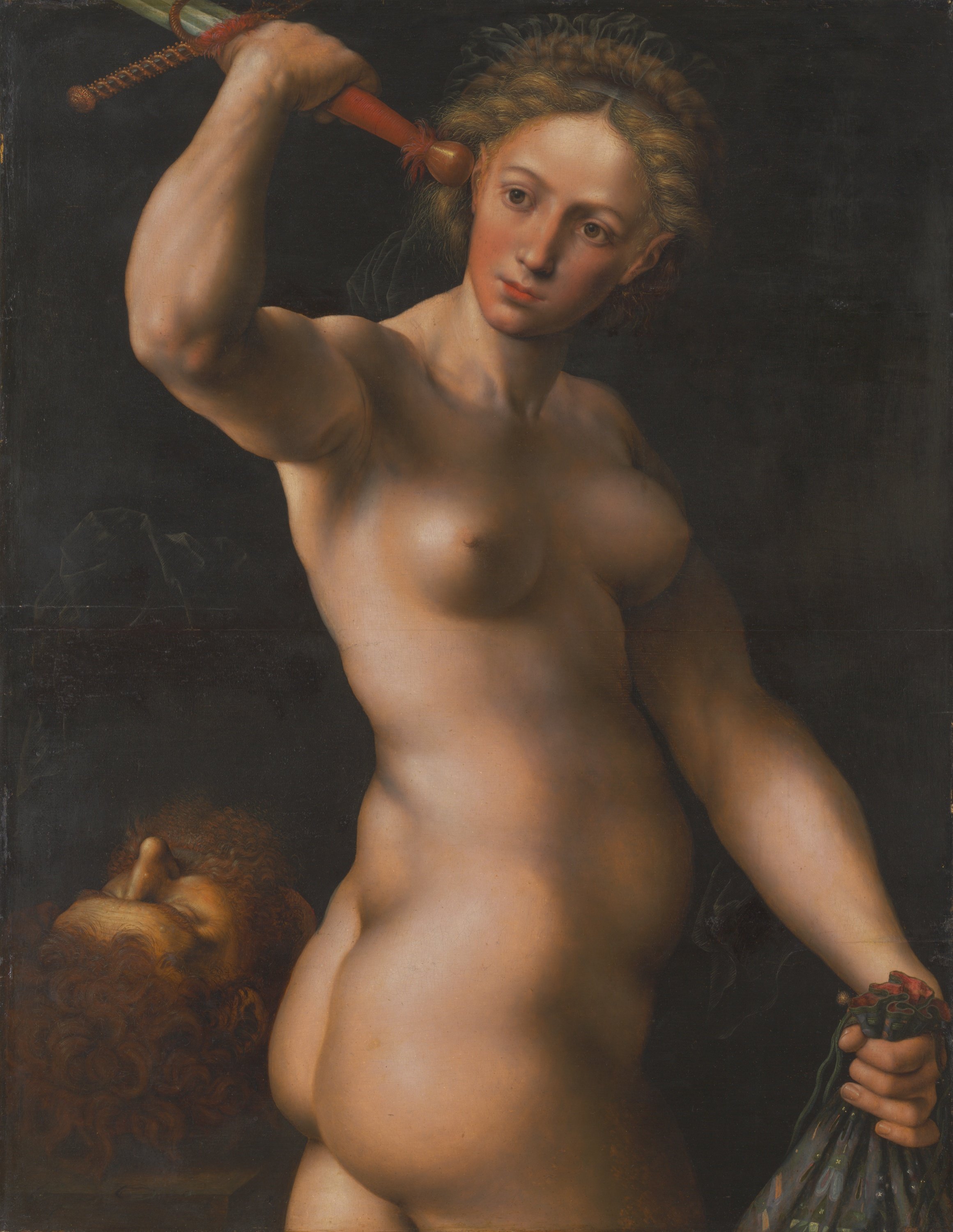
Judith by Jan Sanders van Hemessen, 1540.

Durga kills the buffalo demon. Gouache painting, 1800s.